Advanced dental implants Cape Town offering customized treatment plans
Advanced dental implants Cape Town offering customized treatment plans
Blog Article
A Thorough Analysis of Dental Implants: Your Road to a Stunning Smile
Dental implants mark a substantial progress in dental restoration. They offer a trustworthy option for individuals with tooth loss, delivering both function and visual attractiveness. The procedure encompasses a surgical element that bonds the implant with the jaw structure. Comprehending the multiple aspects of dental implants, from the treatment to sustained care, is vital for anyone contemplating this choice. What elements should one examine before making such a decision?

What Constitute Dental Implants and How Do They Work?
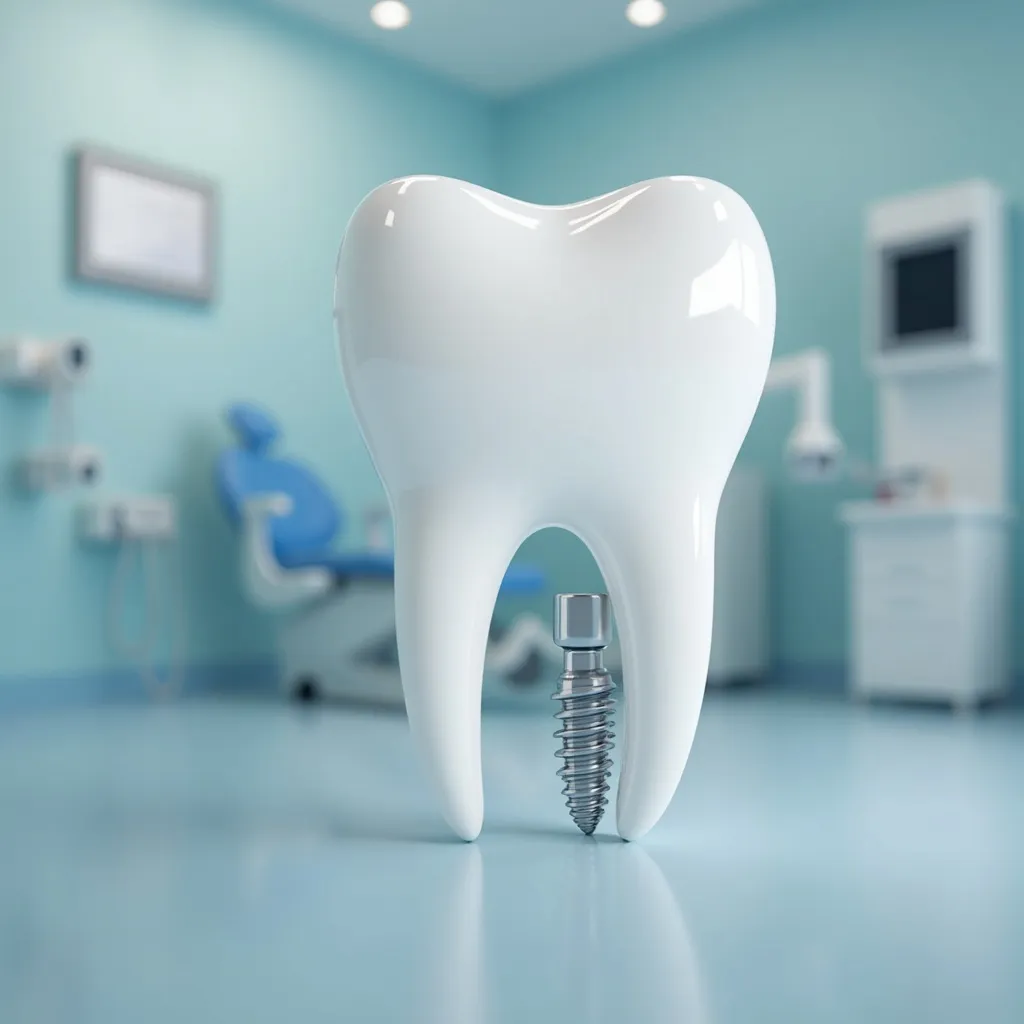
Dental implants serve as a innovative approach for replacing missing teeth, offering both functionality and visual appeal. These implants consist of a titanium post that is implanted into the jawbone, acting as a root for a replacement tooth. Once the post integrates with the bone—a process known as osseointegration—it provides a solid base for attaching a cap, span, or denture. The procedure typically involves various steps, beginning with a complete evaluation and imaging to assess jaw health and bone density. Following the implant placement, a healing period is essential to guarantee proper integration. Afterward, an abutment is attached to the post to anchor the final restoration. Dental implants not only restore chewing ability and speech but also help maintain facial structure by preventing bone loss. Overall, they represent a dependable and durable option for tooth replacement, enhancing both oral health and self-confidence.
Benefits of Choosing Dental Implants for Missing Teeth
Many people find that selecting dental implants delivers significant advantages compared to traditional tooth replacement choices. Dental implants offer a permanent answer to missing teeth, successfully copying the appearance and performance of natural teeth. Unlike dentures, they do not move or require adhesives, boosting ease and assurance.
Moreover, implants help sustain jawbone integrity by encouraging bone development, which circumvents the deterioration that typically develops after tooth loss. This preservation of bone structure supports a more youthful visage.
In addition, implant solutions are reliable and can serve for many years with adequate maintenance, making them a practical investment in the long run. They also optimize oral health by granting easier availability to nearby teeth for cleaning and upholding overall dental health.
In the final analysis, the choice to go with dental implants can lead to enriched lifestyle, improved self-esteem, and a renewed ability to appreciate cuisine without restriction.
An Thorough Tutorial Covering the Dental Implant Process Methodically
Comprehending the tooth implant treatment can demystify the approach for those weighing this transformative option. The treatment typically begins with a extensive evaluation, containing X-rays and a care plan tailored to the patient's needs.
Following this, the oral surgeon positions a titanium post into the jawbone, acting as the implant's root. This step may call for a recovery phase of several months to guarantee successful osseointegration, where the bone adheres to the implant.
Once recovered, an abutment is affixed to the post, which will support the replacement tooth. Impressions are then taken to create a custom crown that matches the patient's natural teeth.
At last, the crown is securely placed on the abutment, concluding the implant process. Post-procedure care includes regular dental check-ups and maintaining good oral hygiene to promote the longevity of the implant.
Why Choose Dental Implants Over Other Alternatives?
While exploring tooth replacement choices, individuals often find themselves comparing the advantages of dental implants against other choices such as bridges and dentures. Dental implants offer a lasting answer, replicating the look and feel of natural teeth. Unlike dentures, which can shift or require adhesives, implants are securely anchored into the jawbone, offering superior stability and comfort.
In addition, dental implants help preserve bone density by activating the jaw, preventing the loss of bone density that commonly follows tooth loss. This element is particularly critical for maintaining facial structure and avoiding premature aging. Furthermore, implants do not affect adjacent teeth, as bridges may, which require alteration of healthy enamel.
Patients also enjoy the low-maintenance nature related to dental implants. They can be preserved like natural teeth, demanding regular brushing and flossing without the need for special adhesives or cleaning solutions. Overall, dental implants represent a long-lasting and dependable option for those seeking long-term tooth replacement solutions.
Debunking Popular Myths About Dental Implants
What are some common misconceptions about dental implants? Many assume dental implants are painful and need an extensive recovery. Actually, the treatment is mostly done under localized numbing, and discomfort tends to be mild, similar to a tooth extraction. Another widespread myth says dental implants are only suitable for older adults; however, they can be used by anyone with healthy gums and sufficient bone density. Some worry that implants will look fake, but modern technology guarantees they closely mimic natural teeth. Additionally, there is a misconception that dental implants aren't long-lasting, yet with proper maintenance, they can last a lifetime. Finally, many fear the cost is prohibitively high, missing the fact that implants are economical in the long run since they may eliminate future dental work needed with other options. Clearing up these myths is essential to making informed choices about dental health.
What to Anticipate and How to Care for Your Implant Teeth After Surgery
After discussing widespread misunderstandings about dental implants, it's important to clarify what patients can anticipate during the recovery process and how to care for their implants after the procedure. At first, patients may experience inflammation, discomfort, and minor bleeding, which can be managed with doctor-recommended pain medication and ice packs.
Following the procedure, it is best to adhere to a soft diet to avoid unease. Oral hygiene remains important; gentle brushing and rinsing with a alcohol-free mouthwash assist in maintaining clean around the implant site.
Patients should refrain from smoking and reduce intense exercise for at least a week to promote healing. Regular follow-up appointments with the dental provider are crucial to monitor the healing process and address any concerns. By understanding these care instructions, patients can improve the durability and effectiveness of their dental implants, leading to a healthier smile.
Recommendations for Long-Term Maintenance of Your Implanted Teeth
Looking after dental implants requires persistent daily hygiene habits and consistent dental visits. These key practices help guarantee the longevity and functionality of the implants. By adhering to a dedicated care protocol, individuals can noticeably strengthen their overall oral health.
Daily Oral Care Practices
Effective everyday mouth care routines are important for ensuring the long-lasting performance of dental implants. Individuals with implants need to brush their teeth at least two times a day using a soft toothbrush and non-abrasive fluoride toothpaste. Flossing is just as important; specialized floss or interdental brushes help to clean thoroughly around implants and protect against plaque. Using an antimicrobial mouthwash rinse can reduce harmful bacteria inside the mouth. It is crucial to focus on the gum line and nearby natural teeth to maintain overall oral health. Regular replacement of toothbrushes every three months ensures ideal cleaning results. By following these steps, implant recipients can greatly improve the durability and aesthetic of their dental implants, allowing their smile to stay bright for years.
Scheduled Oral Checkups
Periodic dental explore this checkups are fundamental to the extended upkeep of dental implants. These appointments allow dental professionals to monitor the condition of both the implants and surrounding tissues, making sure that any conceivable complications are corrected promptly. During these visits, thorough examinations and cleanings help prevent problems such as bacterial infections or periodontal disease, which can jeopardize the integrity of the implants. Additionally, dentists can give tailored advice on sustaining dental health practices geared toward implant care. Regular X-rays may also be executed to evaluate bone health and implant stability. By dedicating yourself to routine checkups, patients can considerably improve the longevity and success of their dental implants, fostering a healthier and more confident smile.
Frequently Requested Inquiries
Can dental implants work for every individual?
Not all individuals are suitable for dental implants. Aspects such as age, oral health, bone density, and medical conditions play important roles in determining eligibility. A thorough assessment by a dental provider is essential for personalized recommendations.
What Length of Time Do Dental Implants Stay in Place?
Dental implants commonly last 10 to 15 years, influenced by factors like dental care, daily habits, and insertion method. With proper care, some can last even longer, providing a durable solution for missing teeth.
What Is the Cost of Implant Teeth?
Dental implants typically price $3,000 to $4,500 per implant. The cost depends on the dentist's proficiency, location, and any required extra treatments required, such as bone grafting or sinus lifts.
Can I obtain tooth replacements if I smoke?
Yes, individuals who use cigarettes can receive dental implants; however, smoking may hinder healing and raise the risk of complications. Talking to a dentist is vital to evaluate individual circumstances and manage potential risks efficiently.
Is the Dental Implant Surgery Painful and What Should You Understand?
Dental implant treatments typically involve some pain, but dentists frequently administer local anesthesia to minimize pain. Post-operative discomfort may occur, lasting a few days, but most patients find the experience bearable with proper care.
Report this page